
Yes, kefir is supposed to be sour. That sharp, tart taste you get on your first sip is not a mistake, and it is definitely not a sign that something went wrong. It is actually proof that your kefir is alive, active, and working exactly the way it should. Whether you just picked up a bottle of store bought kefir from the supermarket or you pulled a jar of your own homemade kefir off the counter this morning, that sourness is completely normal.
The sourness in kefir comes from a natural fermentation process. During fermentation, beneficial bacteria consume milk sugars and convert them into organic acids, including butyric acid, which gives kefir its distinctive tangy flavour. The more the bacteria eat and the longer fermentation runs, the more sour the kefir becomes. This is not a flaw. This is the science of fermented dairy doing its job.
So does kefir taste sour? Absolutely. But here is the thing most people do not realise at first: sour kefir is healthy kefir. At Kefir Guide, we always say that the sourness is not something to worry about. It is something to understand. And once you do, you will look at that tangy taste in a completely different light.
Let us walk through everything, from why kefir gets so sour to how you can manage it and still enjoy every drop.
Table of Contents
What Does Kefir Actually Taste Like?
Before we get into the practical side of things, it helps to understand what good kefir is supposed to taste and feel like. The best description is yogurty, tart, and effervescent all at once. Some people call it the champagne of milk because of that champagne-like fizz it carries. Others compare it closer to a thick Italian soda, which is essentially carbonated water with a touch of cream mixed in. It has a tart and tangy flavour that is genuinely refreshing once your taste buds settle into it.
Is kefir sour every time? Yes, to some degree. But it is also creamy, fizzy, and once you get used to it, genuinely delicious. Many people who could barely tolerate it in the beginning end up craving it within weeks.
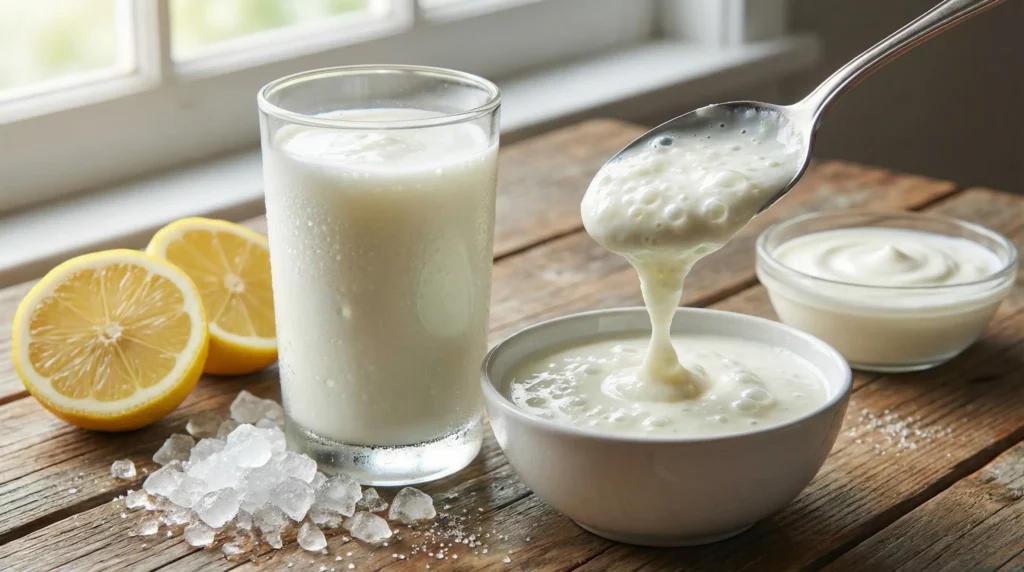
If you have tried goat’s milk kefir, you already know the sharp, fizzy, fermented flavour it carries. In a world where nearly everything is sweetened, that sharpness can feel like a shock. But that is exactly what makes traditional kefir genuine and unprocessed, which is where all its real gut-supporting compounds live.
Tips For Sour Kefir
I want to be honest here because this comes from real experience. I have had batches of sour kefir that were sharp enough to make me set the glass down and wonder what went wrong. It happens to everyone, and it has happened to me more times than I care to admit.
Sometimes kefir turns out more sour than you expected, and there are a few simple reasons why it can go past the taste you prefer.
Your house is warmer than usual. Kefir ferments more quickly in warm conditions, so even using the same timing you always do during cooler months will not give you the same results in summer. The bacteria are simply more active when the temperature rises.
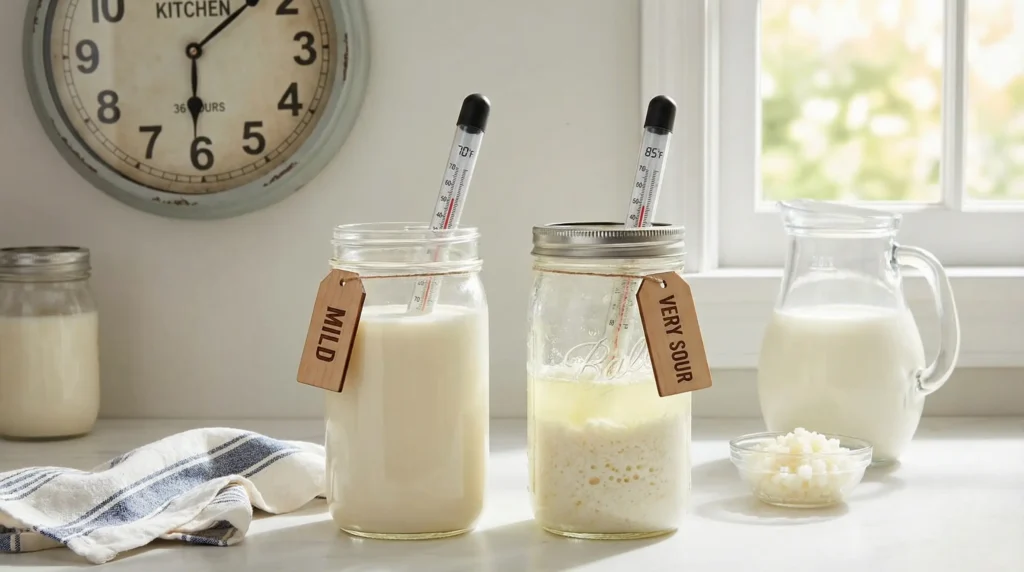
Your kefir grains have grown and multiplied. This is a good thing overall, but if your grains have grown and you did not increase the milk or remove some of the grains before your next batch, fermentation accelerates and your kefir turns sour faster than you expect.
Your finished kefir has been sitting in the fridge for a long time. This is one of the most common reasons kefir becomes overly sour and it catches people off guard. Kefir still ferments slowly even in the fridge. The bacteria continue to eat the sugars out of the milk the longer it stays in there, so the longer you wait to drink it, the more sour it becomes. Drink your finished kefir within a reasonable time frame and do not forget about it at the back of the fridge.
How to Fix Sour Kefir (3 Easy Ways That Work Fast)
If your kefir is turning out sharper than you want, there are three immediate things you can do that will make a difference right away.
Watch your timing on the first ferment. This is where most of the sourness is decided. If your house tends to run warmer, pull your kefir off the counter earlier than usual. Fermentation happens quickly in warm environments, and just a couple of extra hours can push the flavour into territory that is hard to enjoy.
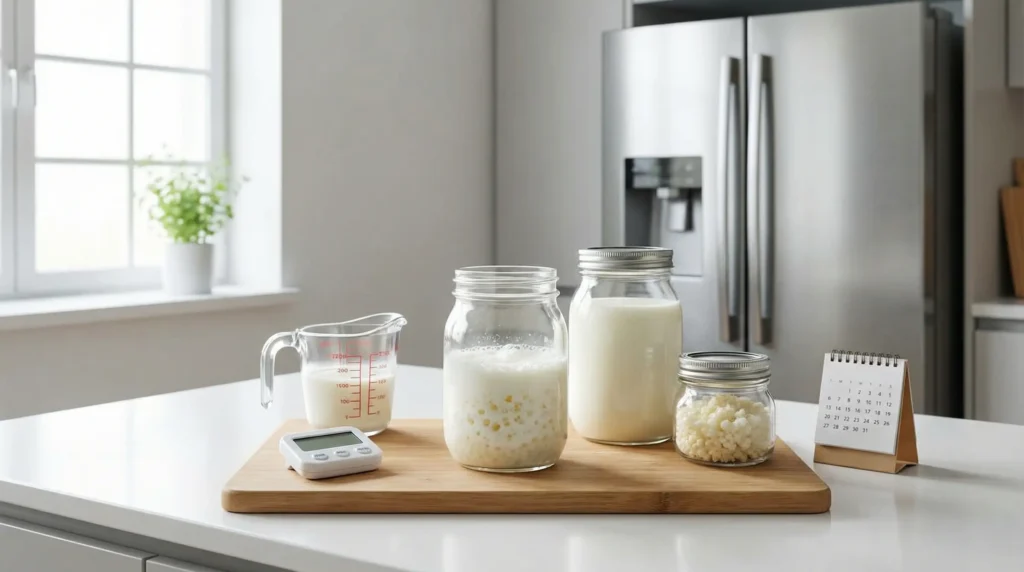
Manage your kefir grains. If they have grown significantly, either increase the amount of milk in your next batch or remove some of the grains before you start. Keeping the ratio balanced between grains and milk is one of the simplest ways to control how sour your kefir ends up tasting.
Do not let your finished kefir sit untouched in the fridge for days at a stretch. I know life gets busy, but the longer it sits, the more the bacteria ferment whatever milk sugars remain, and the more the sourness deepens. Make a habit of drinking it regularly so it stays at the flavour you prefer.
Smart Tricks to Balance Kefir Flavor Naturally
Beyond the basics, there are several other ways to manage kefir sour, and I use most of these depending on how a particular batch turns out.
Second fermenting your kefir is one of the most effective things you can do when a batch comes out too sharp. What happens during a second ferment is actually quite interesting. When you add fruit, or even the peel of fruit, the good bacteria shift their attention to eating that instead. This process is essentially like feeding bacteria again, and it turns the added ingredients into probiotics. The result is kefir that tastes significantly less sour and noticeably richer in flavour. It really does transform a batch that seemed undrinkable into something you want to finish the whole jar of.
Another great tip is to give your kefir a prebiotic like Prebio Plus. Prebiotics are food for bacteria and they give your kefir something to eat, which helps restore its balance. Add a scoop of Prebio Plus, shake it well, place it in the fridge overnight, and by morning it will be creamy again. This simple step has saved many of my sharper batches.
If you have a recipe that calls for a full cup of kefir, try cutting it back. Use only a half cup and blend it with regular milk, coconut milk, or kefir cottage cheese to make up the rest of the volume. Blending it this way makes the overall flavour a lot less sour without losing the nutritional value or texture you are after.
You can also add more milk directly to your sour kefir and let it ferment again on the counter for 4 to 6 hours. You do not need to add kefir grains back in because the kefir is already so strong with active bacteria. This method helps reduce that sharp twang without requiring you to start a whole new batch from scratch.
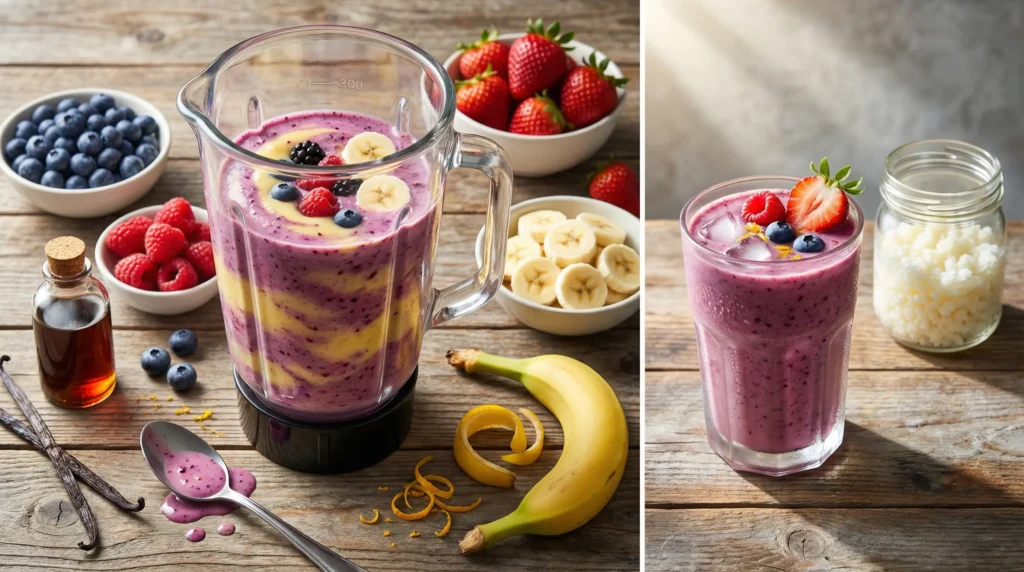
When it comes to smoothies, I almost always reach for a banana first. I am genuinely not sure what it is about bananas specifically, but they cut through the sourness of kefir better than almost any other ingredient I have tried. A simple fruit smoothie with banana, some berries, and your kefir comes out tasting delicious and the sourness almost completely disappears into the background.
One ingredient that helps significantly is vanilla or lemon extract. A small amount of either one tends to mellow out the flavors in a way that feels natural rather than forced. I personally love adding homemade rum vanilla to my smoothies, ice cream, and desserts in general. A half tablespoon is usually all it takes to take the edge off a very sharp batch and bring everything into balance.
If you want to add nutrients at the same time as managing the flavour, try adding Vanilla Collagen powder to your kefir smoothie. It tastes great, adds extra nutrients, and blends smoothly with everything else you put in. I add it all the time and genuinely love what it does to the taste and texture.
Traditionally Fermented Kefir
Not all kefir is made the same way, and that difference matters a great deal when it comes to flavour and gut health.
Traditionally fermented kefir is made with live kefir grains, which are clusters of bacteria and yeast that ferment the milk through a slow, natural fermentation process. This process is what creates the natural presence of butyric acid in the finished product, which is responsible for that sharp and tangy flavour you taste. Kefir made this way is stronger, more active, and more beneficial than anything made through shortcuts.

When you let probiotics thrive through a full traditional ferment, the result is a drink that is genuinely alive. Some batches made with live grains have earned award-winning recognition precisely because the quality gap between them and mass-produced versions is so noticeable.
Kefir found in supermarkets is typically made with powdered sachet starters along with added flavourings and sweeteners. These additions make the product more accessible but strip away the qualities that make traditionally fermented kefir so powerful. Real kefir made at home with live grains will always outperform a supermarket version in terms of probiotic content and gut health impact.
Benefits of Butyric Acid
Here is something worth knowing. The compound that makes kefir taste so sour is butyric acid, and it is one of the most potent anti-inflammatory substances you can give your gut.
Butyric acid does far more than provide flavour. It is vital to supporting your gut and overall health in ways that go well beyond digestion. It plays a genuine role in managing digestive issues, and because of its benefits, butyric acid is often sold as a standalone supplement for people dealing with chronic gut problems. When you drink traditionally fermented kefir, you are naturally consuming this powerful compound without needing to pay for a separate supplement.

Boosting overall health through food rather than pills is always the better route when you can manage it, and kefir gives you that opportunity with every glass. The sourness you taste is the butyric acid at work, and once you know that, the tart flavour starts to feel a lot more welcome.
Why Supermarket Kefir Does Not Offer the Same Gut Health Benefits
If you have tried store bought kefir and found it much milder or sweeter than homemade kefir, there is a specific reason for that. Supermarket kefir contains added sugars, flavourings, and additives that mask the authentic flavour and make the product more palatable for people who are not used to the real thing. But those added ingredients come at a serious cost to the health benefits.
The added sugars and preservatives create an environment that damages the beneficial bacteria inside the product. This negatively affects the probiotic potency of the kefir significantly. By the time you drink it, the gut health benefits you were hoping for have already been reduced by those very ingredients that made it taste better.
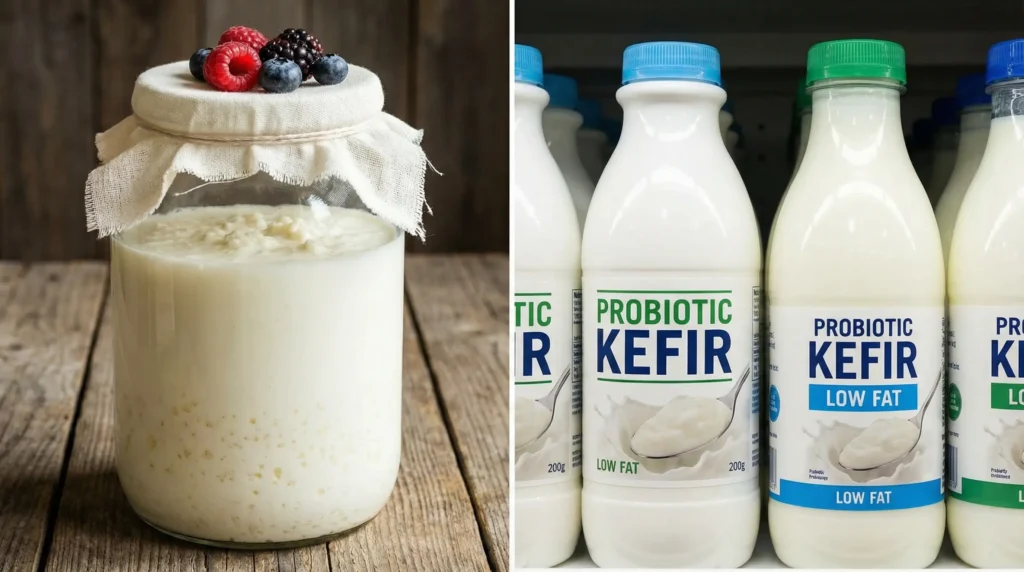
You might notice that store bought kefir expires on a date printed on the packaging, sometimes as far ahead as March depending on when you buy it. But the combination of preservatives and processing means the beneficial bacteria are already compromised long before that date arrives. A homemade kefir batch made with live grains, on the other hand, smells sour and yeasty the way it should and nothing like spoilt milk, because it is genuinely active right up until you finish the jar.
If your goal is real gut health support, the authentic flavour of traditional kefir, sour, tart, and unprocessed, is what you actually want. The natural acids and beneficial probiotics in a genuine batch are far more effective than anything a sweetened, processed version can offer. best c4d to fbx online no download 2026 converter page
Let Your Taste Buds Adjust
If the natural tanginess of kefir feels overwhelming the first few times, that reaction is completely normal. Traditional kefir has a natural taste that is unlike most things in a modern diet. The sharp, fermented flavour is unfamiliar when you have grown up eating and drinking things that are softened with sweeteners and flavourings at every turn.
But your taste buds will adjust, and they usually do so faster than you expect. Within a few weeks of drinking kefir regularly, that natural tanginess stops feeling like something to get through and starts feeling like something you genuinely look forward to. Many people who could not get past the sourness in the beginning eventually find themselves reaching for kefir ahead of everything else in their fridge. The shift happens naturally, and the probiotic content and overall wellness benefits you gain in the process make the adjustment period completely worthwhile.

If you need an easier starting point, smoothies are a brilliant way to begin. There are 10 kefir smoothie recipes that cover everything from light and fruity to rich and filling, and they make the transition into regular kefir drinking much more enjoyable. The added ingredients take the edge off the sourness while still delivering the full gut health and probiotic benefits.
If you ever have questions about your kefir, some fermentation brands offer access to Nutritional Therapists via live chat on weekdays from 8 am to 8 pm who can walk you through any concerns you have about taste, fermentation, or gut health.
Conclusion
Kefir is supposed to be sour. That is not a problem to fix. It is a feature to understand. The tart, tangy, effervescent flavour you taste comes from butyric acid and organic acids produced during fermentation, and those compounds are some of the most beneficial things you can put into your gut. The sourness is your sign that fermentation happened correctly, that beneficial bacteria are present and active, and that what you are drinking is genuinely good for you.
If your kefir ever becomes sharper than you enjoy, you now have real options. Second fermenting, adding prebiotics like Prebio Plus, blending with coconut milk or kefir cottage cheese, doing a 4 to 6 hour counter ferment with added milk, or simply reaching for a banana in your smoothie are all proven ways to manage sourness without losing any of the benefits.
Stick with it. Your taste buds will adjust, your gut will thank you, and before long you will be one of those people who genuinely craves their daily glass of kefir.
FAQs
Is kefir supposed to taste sour?
Yes. Kefir is a fermented dairy drink and sourness is a natural result of the fermentation process. Beneficial bacteria convert milk sugars into organic acids, which give kefir its characteristic tart and tangy flavour. Sourness is a sign that your kefir is properly fermented and full of active probiotics.
Why is kefir so sour compared to yogurt?
Kefir ferments using both bacteria and yeast, which produces more organic acids and also creates that fizzy, effervescent quality. Yogurt is fermented using bacteria alone. The combination in kefir results in a sharper, more complex sour flavour than most yogurts, including homemade yogurt.
Does kefir taste sour from the store too?
Store bought kefir is generally less sour than homemade kefir because it is made with powdered sachet starters and contains added sugars, sweeteners, and flavourings that mask the authentic flavour. Traditionally fermented kefir made with live kefir grains will always taste sharper and more genuine.
What can I do if my kefir is too sour?
You have several options. Try second fermenting it with fruit or the peel of fruit. Add a scoop of Prebio Plus and refrigerate overnight. Blend a half cup of kefir with regular milk or coconut milk instead of using a full cup. Add vanilla or lemon extract to mellow out the flavors. Or simply add a banana to a fruit smoothie to cut the sourness significantly.
How do I know if sour kefir has gone bad?
Sour kefir that is healthy smells tart and yeasty. Kefir that has gone bad smells off, unpleasant, and nothing like fermented dairy. If it smells like spoilt milk rather than sharp and yeasty, do not drink it. The appearance may also show unusual discolouration beyond normal separation.
Can I drink kefir every day even if it is very sour?
Yes. Daily consumption of kefir, even when it is quite sour, is generally healthy and beneficial for most people. The sourness indicates a high concentration of probiotics and butyric acid, which support gut health and reduce inflammation. If the taste is difficult to manage, try one of the smoothie methods to make daily consumption easier while still getting the full benefits.

Hi, I’m Natalia Smith, a kefir enthusiast and content writer dedicated to making fermented dairy approachable and enjoyable. My journey with kefir began in my own kitchen, experimenting with recipes and sharing the health benefits I discovered. Through hands-on experience and continuous learning, I aim to provide clear, trustworthy information that helps others embrace the goodness of kefir in their daily lives.